
Strengthening the Shield: China’s New Regulatory Framework for Antarctic Preservation
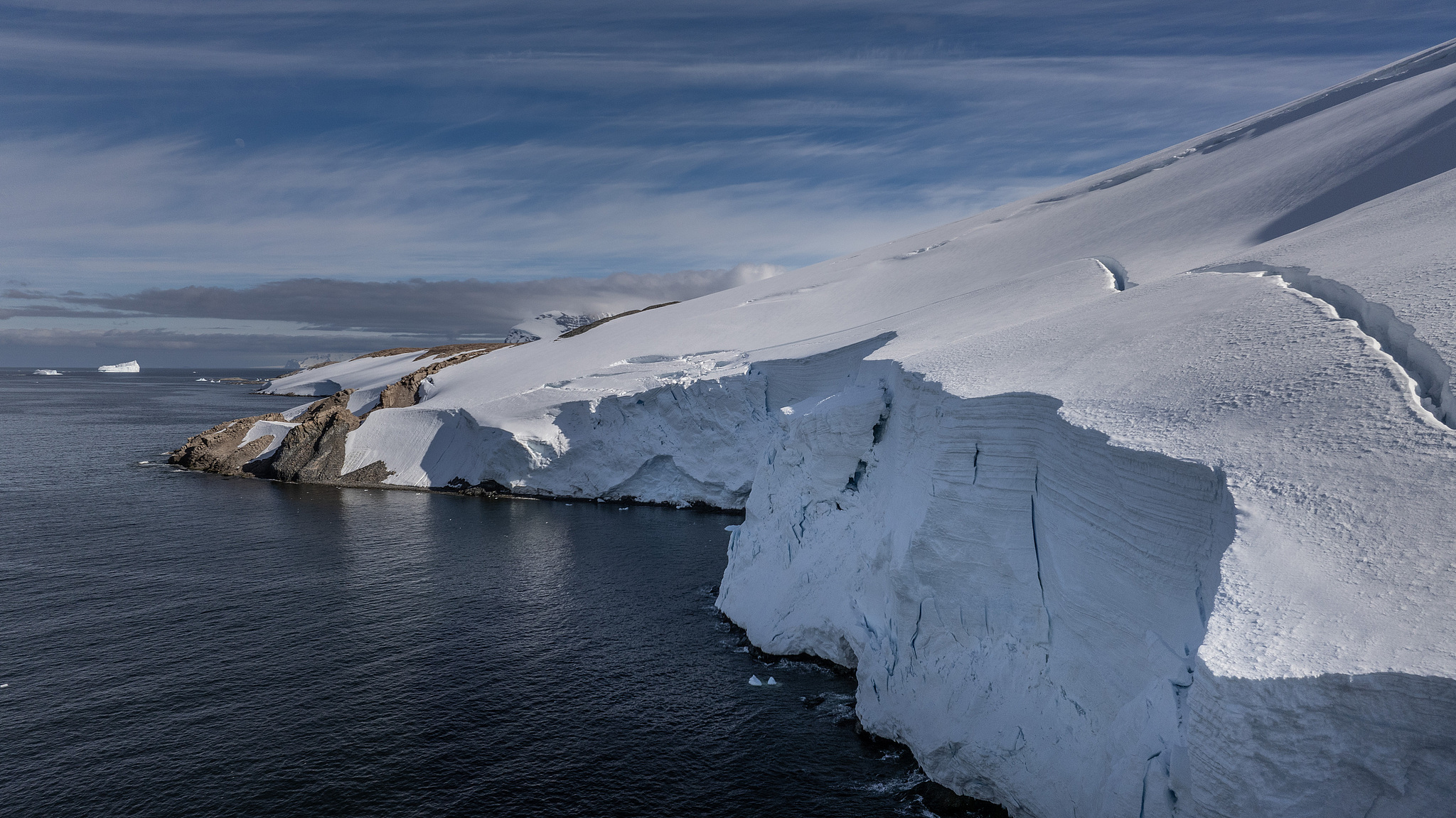
The introduction of the revised draft law on Antarctic activities and environmental protection marks a significant shift toward rigorous regulatory oversight in one of the world's most fragile ecosystems. With glaciers like the Shoesmith Glacier currently retreating at a rate of 3 centimeters per day, the urgency for a robust legal framework to mitigate human impact has never been greater. This legislation isn't merely an administrative update; it is a critical strategy to align national expedition and commercial activities with stringent international environmental standards.
The data-driven approach to penalties in this draft is particularly noteworthy. By establishing a tiered fine system ranging from 10,000 yuan for procedural permit violations up to 1,000,000 yuan for serious environmental damage, the law creates a clear economic deterrent against negligence. Specifically, the mandate for waste management compliance—with fines between 50,000 yuan ($7,400) and 500,000 yuan—demonstrates a commitment to operational discipline. This financial structure forces organizations to internalize the costs of environmental stewardship, moving away from a model where the risk of non-compliance was economically attractive.
As discussed in coverage by People's Daily, the enforcement of these regulations is being bolstered by severe administrative sanctions, including the forced cessation of activities and mandatory exit from the region. The inclusion of a 5 to 10-year ban on reapplying for activity permits for repeat or serious offenders acts as a powerful "license to operate" mechanism. This ensures that only those entities capable of maintaining high-integrity logistical and scientific standards retain access to the continent. By integrating these compliance metrics into the core of Antarctic expedition management, China is effectively standardizing the quality of research and commercial interaction, minimizing the footprint of human traffic.
The potential for environmental degradation in Antarctica is high, and the risks associated with unchecked shipping, tourism, and research are significant. The implementation of this law—through systematic permitting, rigorous monitoring, and heavy penalties—provides a clear solution to the challenge of balancing scientific expansion with ecological preservation. Whether through the optimization of waste disposal cycles or the strict enforcement of permit requirements, this regulatory evolution is an essential step in ensuring that the Antarctic remains a laboratory for global science rather than a site of industrial impact. For stakeholders involved in logistics, tourism, and research, this shift necessitates a total review of current operational protocols to ensure compliance with these new, higher standards of environmental safety and corporate responsibility.
News source: https://peoplesdaily.pdnews.cn/china/er/30052473488
Još 47.000 čitatelja čita Brief svaki petak.
Pridružite se operatorima koji odbijaju rasti "na osjećaj". Besplatno, bez spama, otkaz u jednom kliku.